The Irresistible Allure of Tres Leches Cake: A Journey into its Ultra-Moist Heart
Few desserts captivate the senses quite like
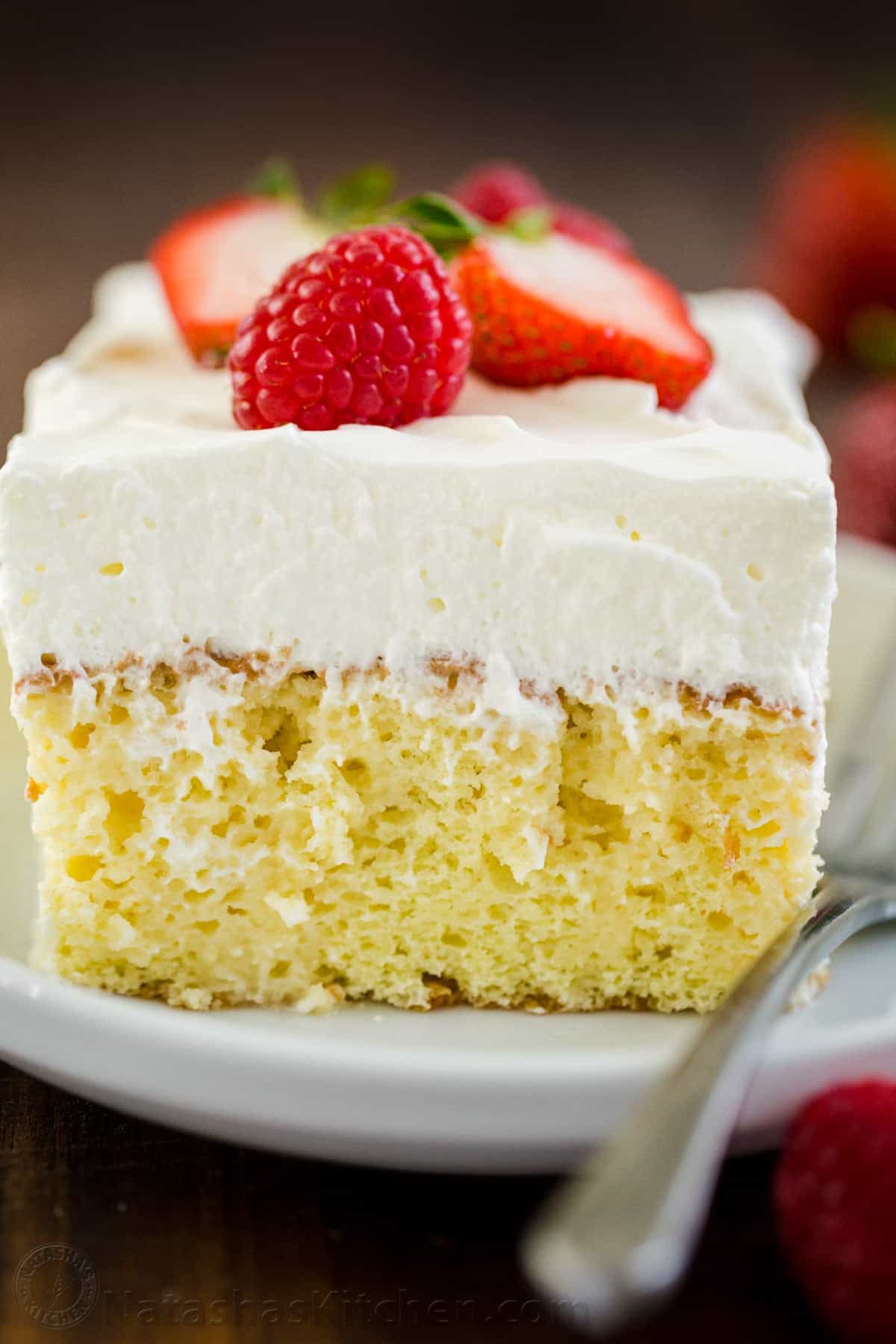
Tres Leches Cake, a beloved culinary icon that has charmed palates across Latin America and beyond. Its name, literally meaning "three milks," hints at the secret behind its legendary moistness, a characteristic that sets it apart from virtually every other confection. Imagine a light, airy sponge cake, almost ethereal in its crumb, completely saturated with a luscious blend of milks, then crowned with a cloud of lightly sweetened whipped cream. It's a symphony of textures and flavors – rich yet surprisingly delicate, decadent yet perfectly balanced. This isn't just a cake; it's an experience, a celebration of simple ingredients transformed into something extraordinary. But how did this ultra-moist delight come to be? Its story is as rich and complex as the cake itself, woven through centuries of cultural exchange and culinary innovation.
The Decadent Heart of Tres Leches: What Makes It So Unique?
At its core, the magic of
Tres Leches Cake lies in its exquisite balance between a delicate cake base and its signature soaking liquid. This isn't your average birthday cake; it's a masterpiece of saturation designed to deliver unparalleled moisture in every bite.
A Symphony of Milks and Sponge
The foundation of a perfect Tres Leches is a specific kind of sponge cake. Unlike many Western cakes that rely on butter or oil for moisture, this cake base is remarkably light, often using whipped egg whites as its primary leavening agent. This technique results in an open, airy crumb structure, much like an angel food cake, specifically engineered to absorb copious amounts of liquid without becoming soggy or dense. This isn't a flaw; it's a feature. The lightness of the cake serves a crucial purpose: it's the perfect canvas for the "tres leches" – the three milks.
After baking, the still-warm cake is meticulously poked with holes, a ritualistic step that ensures maximum penetration for the star of the show: the milk mixture. This blend typically consists of three distinct dairy products, each contributing its unique profile:
- Sweetened Condensed Milk: Provides intense sweetness and a thick, creamy consistency, acting as the primary sweetener and enriching agent.
- Evaporated Milk: Offers a deeper, caramelized milk flavor and a smooth texture, contributing to the cake's overall richness without being overly heavy.
- Whole Milk (or Heavy Cream): Rounds out the mixture, adding freshness and a familiar milky taste, balancing the sweetness and intensity of the other two.
As this glorious mixture permeates every crevice of the sponge, a transformation occurs. The cake becomes incredibly moist, almost custardy, yet retains its light character. The rich sweetness is then beautifully counteracted by a generous layer of freshly whipped cream, often lightly sweetened and sometimes dusted with cinnamon or adorned with fresh fruit. The contrast between the milky, sweet cake and the cool, airy topping is what truly elevates the Tres Leches experience, making it a favorite for family gatherings and celebrations across generations. It’s a dish that, despite its richness, manages to feel light and refreshing.
More Than Just a Dessert: A Culinary Experience
Tres Leches Cake isn't just a dessert; it's a cultural staple, particularly beloved in Mexico and throughout Latin America. Its popularity has transcended borders, finding a prominent place in Mexican restaurants and bakeries across the United States. What makes it so enduringly popular? Beyond its undeniable deliciousness, it’s its versatility and its ability to evoke a sense of comfort and celebration. It’s a dessert that feels special, yet approachable. Many home cooks adore it because it’s surprisingly straightforward to prepare, and crucially, it's one of those rare cakes that *improves* with time. Making it a day or two in advance allows the cake ample time to fully absorb the milk mixture, deepening its flavor and enhancing its signature moistness, a secret weapon for any host.
Tracing the Tangled Roots: The History of Tres Leches Cake
Pinpointing the exact origin of
Tres Leches Cake is a fascinating endeavor, fraught with friendly disputes among various Latin American nations. What is clear, however, is that this beloved dessert is a product of rich cultural fusion and historical evolution.
European Echoes in Latin America
The conceptual lineage of Tres Leches can be traced back to European soaked cake desserts. For centuries, various European cuisines have featured cakes drenched in liquids, such as the British trifle (with sherry or spirits) or the Italian zuppa inglese (sponge cake soaked in rum or liqueur). When European colonial powers arrived in the Americas, they brought with them their culinary traditions. These early soaked cakes found new life in the colonies, where local ingredients and adaptations began to shape them. The idea of soaking a cake was already present; it was merely waiting for the right combination of ingredients to truly flourish.
The 20th-Century Catalyst: Canned Milks
While the *idea* of a soaked cake has ancient roots, the modern form of Tres Leches Cake as we know it today solidified largely in the 20th century. A pivotal factor in its widespread emergence was the advent and popularization of canned evaporated and sweetened condensed milks. Before refrigeration was commonplace, these shelf-stable dairy products became household staples, particularly in regions where fresh milk was not always readily available or easily preserved.
Companies like Nestlé played a significant role in popularizing the cake. As they marketed their canned milk products across Latin America, they often included recipes on their labels, encouraging consumers to use their ingredients. A recipe for a cake soaked in a three-milk mixture would have been a natural fit, offering a convenient, accessible, and delicious way to utilize their products. This commercial push, combined with local adaptations, cemented the Tres Leches Cake's place in the culinary landscape of numerous countries.
A Dish with Disputed Origins
Today, the origins of Tres Leches Cake are hotly debated. Mexico, Nicaragua, Cuba, Argentina, and Venezuela are among the many countries that proudly claim it as a national staple, deeply embedded in their culinary traditions. This widespread claim isn't a sign of historical inaccuracy, but rather a testament to the cake's universal appeal and the organic way it became adopted and adapted across different cultures. Each country likely developed its own preferred variations and preparations, making it feel uniquely their own. Whether it truly originated in one specific kitchen or evolved simultaneously in several, the collective love for "pastel de tres leches" underscores its status as a cherished icon throughout the Spanish-speaking world.
Crafting Your Own Tres Leches Masterpiece: Tips and Variations
Bringing the magic of Tres Leches into your own kitchen is a rewarding experience, offering both simple indulgence and opportunities for creative flair.
The Art of the Soak
The single most crucial tip for an unparalleled Tres Leches Cake is patience. As referenced in
Mastering Tres Leches: Make This Iconic Cake Ahead for Best Flavor, this cake truly shines when given ample time to soak. After pouring over the milk mixture, resist the urge to slice into it immediately. Cover the cake and refrigerate it for a minimum of 4-6 hours, but ideally overnight, or even for 24-48 hours. This extended chill time allows the sponge to fully absorb the milks, transforming it into that signature ultra-moist, almost pudding-like consistency that defines the cake. The flavors also meld and deepen, resulting in a more harmonious and satisfying dessert.
Beyond the Classic: Creative Twists
While the classic Tres Leches, topped with sweetened whipped cream and a dusting of cinnamon, is perfection in itself, its simplicity also makes it incredibly versatile for variations:
- Fruity Accents: Fresh berries (strawberries, raspberries, blueberries), sliced peaches, or mango add a vibrant tartness and beautiful color.
- Chocolate Indulgence: Swirl cocoa powder into the milk mixture or the whipped cream, or add chocolate shavings on top for a decadent twist.
- Nutty Crunch: Toasted pecans or walnuts sprinkled over the top provide a delightful textural contrast.
- Adult Decadence: A splash of rum, Kahlúa, or Irish cream can be added to the milk mixture for an adult-friendly version.
- Flavor Infusions: Steep vanilla bean, a cinnamon stick, or even a bit of orange zest in the milk mixture before soaking for nuanced flavor profiles.
These simple additions allow you to tailor the cake to different tastes and occasions, always building on the foundation of that incredible milky sponge.
Why Homemade Trumps Store-Bought
While many bakeries and supermarkets offer Tres Leches Cake, nothing truly compares to a homemade version. When you prepare it yourself, you have control over the quality of ingredients, the sweetness level of both the cake and the whipped cream, and most importantly, the crucial soaking time. Store-bought versions often lack the deep saturation and fresh creaminess that defines an authentic, lovingly prepared Tres Leches. The texture of a homemade cake, having had the perfect amount of time to meld with the milks, is simply unparalleled – richer, moister, and bursting with fresh flavor.
In conclusion, Tres Leches Cake is more than just a dessert; it’s a testament to culinary ingenuity, a delicious blend of historical influences, and a beloved symbol of celebration. From its disputed Latin American origins rooted in European traditions to its modern-day popularity driven by canned milk innovations, its journey is as fascinating as its flavor. Its "secrets" lie in the careful balance of a light sponge with a luxurious three-milk soak, creating an ultra-moist, perfectly balanced delight. Whether you're making it for a special occasion or simply to treat yourself, embracing the art of the soak will unlock the true magic of this iconic, unforgettable cake.